
Can you really end up paying 60% tax in the UK?
It sounds pretty extreme, especially when there isn’t actually an official 60% Income Tax band. But for some higher earners, there is a particular range of income where the interaction between the 40% higher rate of Income Tax and the gradual loss of the tax-free Personal Allowance can create an effective marginal tax rate of 60%.
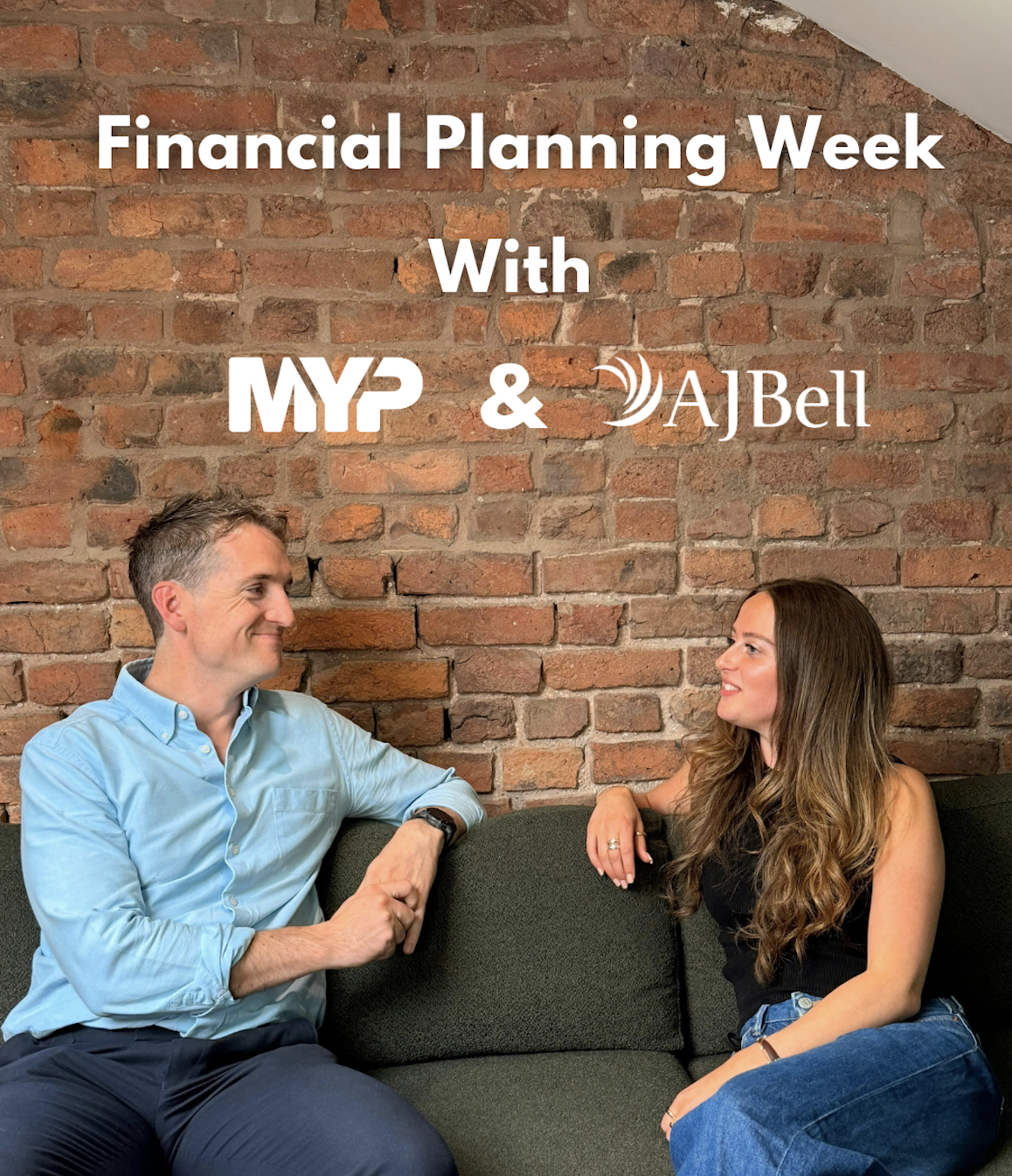
As part of our partnership with AJ Bell, we’re breaking down what’s often referred to as the “60% tax trap”, why it happens and where pensions can come into the conversation.
This article is for general information only and isn’t financial or tax advice. Tax rules depend on individual circumstances and can change.
First Things First: Is There a 60% Tax Bracket?
Not officially.
For the 2026/27 tax year, the standard Personal Allowance is £12,570. This is the amount of income most people can receive before they start paying Income Tax.
However, once your adjusted net income goes above £100,000, your Personal Allowance begins to reduce. For every £2 of adjusted net income above £100,000, you lose £1 of your Personal Allowance. By the time adjusted net income reaches £125,140, the standard Personal Allowance has been completely removed.
So Where Does the 60% Come From?
This is where it gets interesting.
Someone within this income range isn’t technically being charged a 60% Income Tax rate. Instead, they’re paying the 40% higher rate on additional income while simultaneously losing some of their tax-free Personal Allowance.
As more of their previously tax-free income becomes taxable, this creates an effective marginal Income Tax rate of 60% on income within this particular range. So when you hear people talking about the “60% tax bracket”, they’re usually referring to this effect rather than an actual 60% tax band.
It does sound mad, but that’s where the figure comes from.

What Do Pensions Have to Do With It?
This is where the conversation in our video with AJ Bell turns to pensions.
Certain pension contributions can affect an individual’s adjusted net income, which is the figure used to determine whether the Personal Allowance is reduced.
Depending on the type of contribution and an individual’s circumstances, making pension contributions can potentially reduce adjusted net income and, in some cases, result in some or all of the Personal Allowance being restored.
Pensions also have their own rules around tax relief, contribution allowances and accessing money, so this isn’t as simple as saying everyone earning within this bracket should automatically contribute more.
Does That Mean You Should Put More Into Your Pension?
Not necessarily.
While pensions can be particularly relevant to people affected by the Personal Allowance taper, what’s appropriate depends entirely on individual circumstances.
Income, existing pension contributions, employer contributions, annual allowances, wider financial goals and the need to access money before retirement can all play a part.
That’s why, as highlighted in our conversation with AJ Bell, someone considering making financial decisions specifically because of their tax position may want to speak to an appropriately qualified professional.
The important thing for the rest of us is simply understanding that this rule exists.

Why Is This Worth Knowing About?
£100,000 might feel like a distant salary for many young professionals, but understanding how the tax system changes as your career progresses can be useful.
A pay rise or bonus doesn’t always translate into take-home pay in the way you might initially expect, particularly once different allowances and thresholds start to apply. And that’s exactly why we’re working with AJ Bell to make topics like pensions, investing and tax easier to understand.
You don’t need to become a tax expert. But knowing what people actually mean when they talk about the “60% tax trap”is a pretty good place to start.
Important Information
This content is provided for general educational and informational purposes only and does not constitute financial, investment or tax advice. Tax treatment depends on individual circumstances and tax rules can change. Pension rules and allowances also apply. If you’re unsure how these rules apply to your own circumstances, consider seeking appropriate professional advice.